
11 min read
Pickleball Injury Treatment Alpharetta Chiropractor: Northeast Chiropractic Center can help. Visit neccga.com for a free quote.
TL;DR
If you're a pickleball player in Alpharetta dealing with elbow pain, shoulder strain, or knee issues, chiropractic care can help you return to the court faster than waiting it out. (Georgia.gov) (Nih.gov) Most common pickleball injuries respond well to a combination of joint manipulation, soft tissue work, and targeted exercises – typically within 4–8 weeks. Here's what you need to know about treatment options, costs, and realistic recovery timelines.
Why Pickleball Injuries Are Surging in Alpharetta
Pickleball has exploded across our community. Courts at Wills Park and Newtown Park are packed most afternoons, and for good reason – the sport is accessible, social, and genuinely fun. But with that growth comes a real injury problem.
According to a nationwide study of pickleball players, approximately 48.3 million people reported playing the sport in 2023, with injury prevalence at 68.5% among regular players. Alpharetta and the surrounding areas like Roswell, Johns Creek, and Milton have seen that same surge. More players means more injuries, and the ones we're seeing most often are predictable: lateral epicondylitis (pickleball elbow), rotator cuff strains, low back pain, patellar tendinopathy (knee pain), and ankle sprains.
Why pickleball specifically? The sport demands rapid lateral movement, explosive overhead volleys, and repetitive wrist extension – all on hard courts that offer little shock absorption. That combination stresses the same muscle groups and joints over and over. Add Georgia's summer heat (regularly above 90°F in Alpharetta), and you've got dehydration and muscle fatigue compounding the problem, especially for players in the 50–70 age range who make up the largest share of pickleball participants locally.
The good news: these injuries don't have to sideline you for months. When treated early with the right approach, most pickleball injuries respond well to chiropractic care. According to research on chiropractic treatment for musculoskeletal injuries, patients who sought chiropractic care to address pain were nearly 50 percent less likely to take opioids than patients who sought other healthcare options.
Which Pickleball Injuries Does Chiropractic Treatment Help Most?
Not every injury needs the same treatment, and not every injury is best handled by a chiropractor alone. Let's break down the most common pickleball injuries and what chiropractic can actually do for them.
Pickleball Elbow and Wrist Injuries
Lateral epicondylitis – "pickleball elbow" – is the most common injury we see in local players. It's caused by repetitive wrist extension loading, especially during backhand dinks and hard volleys. You feel it as pain on the outside of your elbow that gets worse when you grip the paddle or extend your wrist.
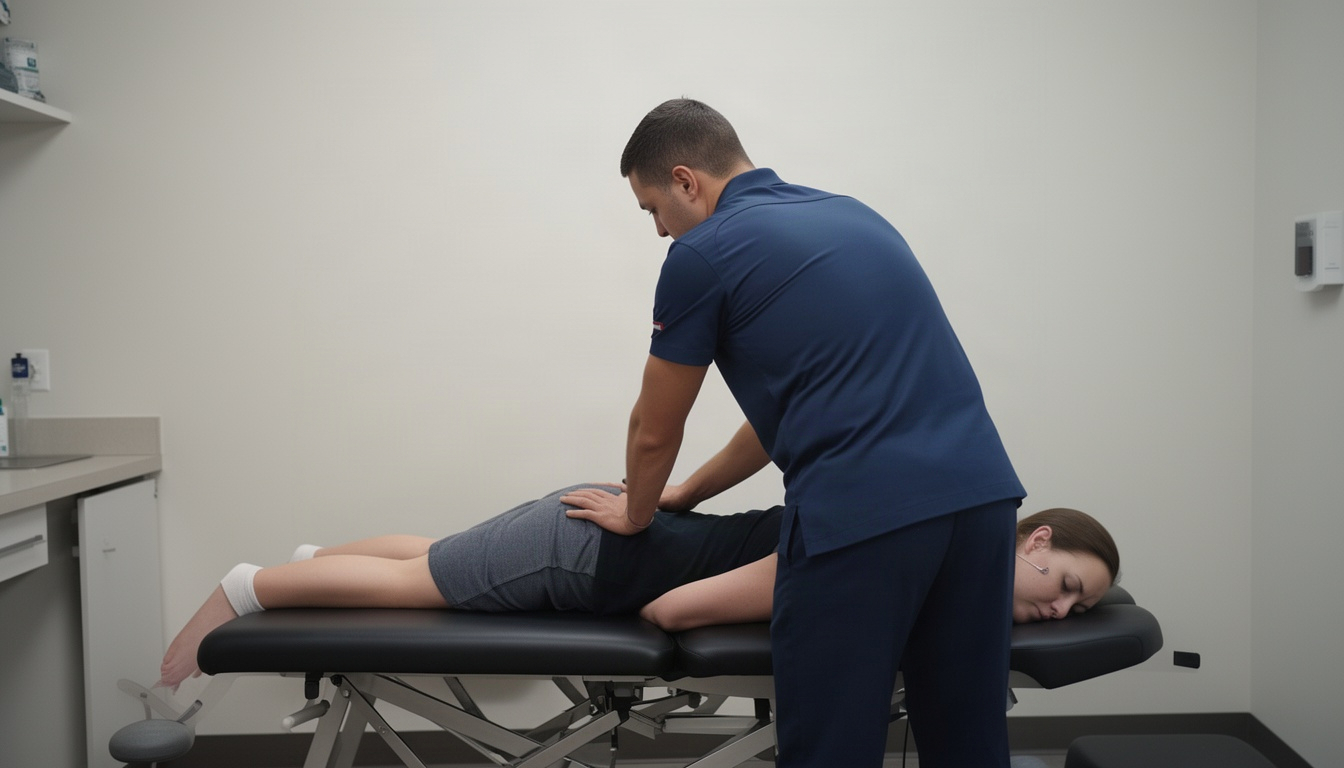
Chiropractic treatment for pickleball elbow combines joint manipulation of the wrist and elbow with soft tissue work. Instrument-Assisted Soft Tissue Mobilization (IASTM, sometimes called Graston Technique) is particularly effective here – it breaks up scar tissue and adhesions in the forearm muscles. Combined with manipulation and targeted exercises, this approach typically brings players back to pain-free play in 4–6 weeks, compared to 10–14 weeks without treatment.
Shoulder and Rotator Cuff Strains
Overhead volleys put real stress on the rotator cuff. You might feel a dull ache in the shoulder, weakness when reaching overhead, or sharp pain during certain movements. Grade 1–2 rotator cuff strains (partial strains, not full tears) respond well to conservative chiropractic care.
Treatment includes cervical and thoracic spine manipulation to restore proper shoulder mechanics, soft tissue mobilization of the rotator cuff muscles, and kinesio taping for proprioceptive support. Recovery typically takes 6–12 weeks depending on severity and your age. Older players (60+) may need closer to 12 weeks; younger, more active players often recover in 6–8 weeks.
Knee, Hip, and Low Back Pain
Pickleball's lateral movement patterns stress the knees and lower back. Patellar tendinopathy (pain below the kneecap) and low back strain are common, especially in players with weak hip stabilizers or poor court positioning.
Chiropractic addresses these through spinal manipulation (for low back pain), knee joint mobilization, and soft tissue work on the hip and thigh muscles. The key is restoring proper alignment and movement patterns so you're not compensating with injured tissue. Most low back strains resolve in 2–4 weeks with consistent treatment; knee pain often takes 4–8 weeks.
What Does Pickleball Injury Treatment Look Like at an Alpharetta Chiropractor?
Your first visit sets the foundation for recovery.
Intake and Assessment: You'll answer questions about your injury history, current symptoms, and what movements make pain worse or better. The chiropractor will perform orthopedic tests specific to your injury – for elbow pain, they'll test grip strength and wrist range of motion; for shoulder pain, they'll assess rotator cuff function; for knee or back pain, they'll evaluate spinal alignment and hip mobility.
Imaging Discussion: Depending on what they find, they may recommend X-rays or refer you for an MRI if there's concern about a more serious injury (like a full rotator cuff tear or meniscus damage). Most acute pickleball injuries don't require imaging, but it's important to rule out fractures or significant structural damage early.
Treatment Plan: A typical plan for pickleball elbow might look like: 2 visits per week for 3 weeks, then 1 visit per week for 2–3 weeks, then monthly maintenance visits. Each session typically includes 15–20 minutes of hands-on work (manipulation, soft tissue mobilization, or dry needling) plus 10–15 minutes of exercise instruction.
Core Techniques Used:
- Spinal and joint manipulation to restore proper alignment and reduce nerve irritation
- Soft tissue mobilization (massage, trigger point release) to reduce muscle tension
- Instrument-Assisted Soft Tissue Mobilization (IASTM) to break up scar tissue and adhesions
- Dry needling (where licensed) to reduce myofascial pain and trigger point sensitivity
- Kinesio taping for short-term pain relief and proprioceptive support
- Exercise prescription to strengthen stabilizer muscles and prevent re-injury
What to Bring: Your insurance card (if you have coverage), a list of any medications you're taking, and a description of when the injury started and what makes it worse.
How Long Does Recovery Take for Common Pickleball Injuries?
Recovery timelines depend on injury type, severity, your age, and how consistently you follow the treatment plan. According to sports medicine research, most minor strains and sprains improve within two to four weeks of consistent care, while more complex injuries involving multiple structures can take six to twelve weeks. Here's what realistic expectations look like:
| Injury Type | Typical Treatment Duration | Return-to-Play Estimate | Notes |
|---|---|---|---|
| Pickleball elbow (lateral epicondylitis) | 4–8 weeks | 4–6 weeks with treatment; 10–14 weeks without | Consistent treatment and activity modification critical |
| Rotator cuff strain (Grade 1–2) | 6–12 weeks | 6–8 weeks (younger); 10–12 weeks (50+) | Overhead activity must be limited initially |
| Low back strain | 2–4 weeks | 2–3 weeks | Most respond quickly to manipulation and rest |
| Patellar tendinopathy (knee pain) | 4–8 weeks | 4–6 weeks | Requires hip strengthening alongside treatment |
| Ankle sprain (Grade I–II) | 2–4 weeks | 2–3 weeks | Proprioceptive training essential to prevent re-injury |
Factors That Affect Recovery:
- Age: Players over 60 typically need 30–50% longer recovery due to slower tissue healing
- Injury severity: A mild strain heals faster than a moderate one
- Treatment consistency: Missing appointments extends recovery significantly
- Activity modification: Continuing to play hard on an injured joint delays healing
- Overall fitness: Players with strong core and hip stability recover faster
When to Expect Referral: If imaging shows a full rotator cuff tear, significant meniscus damage, or a fracture, your chiropractor will refer you to an orthopedic specialist. This doesn't mean chiropractic care stops – it means you're getting the right specialist for that specific injury alongside your chiropractic treatment.
How Much Does Pickleball Injury Chiropractic Treatment Cost in Alpharetta?
Let's be direct about cost, because it matters when you're deciding whether to book that first appointment.
Per-Visit Cost: Typical chiropractic visits in the Alpharetta area range from $65–$150 per session out-of-pocket, depending on the modalities used (basic manipulation is lower; IASTM or dry needling adds cost).
Insurance Coverage: Most PPO plans cover chiropractic care. Typical coverage includes:
- $20–$50 copay per visit
- 20–30 covered visits per year
- Some plans require a deductible to be met first
Example Cost Calculation: If you need 8 visits over 6 weeks and your plan has a $30 copay:
- With insurance: 8 visits × $30 = $240 out of pocket
- Without insurance: 8 visits × $100 (average) = $800 out of pocket
Medicare Note: Medicare covers spinal manipulation for subluxation treatment but does NOT cover maintenance chiropractic care. If you're on Medicare and your injury requires ongoing preventive visits, those won't be covered.
HSA/FSA Eligible: Chiropractic treatment qualifies as a medical expense, so you can use Health Savings Account or Flexible Spending Account funds to pay.
Questions to Ask When Calling:
- "Does my plan cover chiropractic, and what's my copay?"
- "How many visits per year does my plan allow?"
- "Do I need a referral from my primary care doctor?"
- "Are there any deductibles I need to meet first?"
Most offices in Alpharetta can verify your coverage before your first appointment – call ahead and have your insurance card ready.
How to Prevent Pickleball Injuries From Coming Back
Recovery is only half the battle. Preventing re-injury keeps you on the court long-term.
Warm-Up Protocol (5 minutes before play):
- Arm circles and shoulder rotations (10 each direction)
- Wrist flexion and extension stretches (10 each)
- Hip circles and leg swings (10 each leg)
- Walking lunges with a twist (10 each leg)
- Light paddle swings without a ball (20 swings)
This takes 5 minutes and significantly reduces acute muscle strain.
Equipment Adjustments:
- Paddle grip size matters. A grip that's too small by even ¼ inch increases forearm muscle fatigue and lateral epicondylitis risk. If you're experiencing elbow pain, try a $10–$20 overgrip wrap to increase grip diameter – it's a low-cost fix with real impact.
- Footwear: Wear court shoes with lateral ankle support, not running shoes. The side-to-side movement in pickleball demands stability.
Maintenance Chiropractic Schedule: Active pickleball players benefit from monthly tune-up visits – not because you're injured, but to catch small alignment issues before they become problems. Think of it like getting your car serviced; preventive maintenance is cheaper than emergency repair.
Know When to Back Off: Mild soreness the day after play is normal. Sharp pain during play, pain that wakes you at night, or pain that doesn't improve within 3–5 days means it's time to see a chiropractor. Don't push through – early intervention prevents minor issues from becoming major ones.
Finding Reliable Pickleball Injury Treatment in Alpharetta
When you're ready to get back on the court, you want a provider who understands both chiropractic care and the specific demands of pickleball. Here's what to look for:
Key Qualifications:
- Licensed by the Georgia Board of Chiropractic Examiners (all legitimate chiropractors in Georgia have this)
- Experience treating sports injuries, ideally with racket or paddle sports
- Offers soft tissue mobilization techniques (IASTM, trigger point work) alongside manipulation
- Takes time to assess your movement patterns and explain your injury mechanism
- Willing to refer to orthopedics if imaging suggests a more serious injury
Local Expertise Matters: Providers familiar with Alpharetta's pickleball community understand the court surfaces (hard acrylic courts at Wills Park and Newtown Park), the typical player demographics (many 50–70 year-olds), and the seasonal patterns (summer heat exacerbates dehydration and muscle fatigue). They know what works for our specific population.
Northeast Chiropractic Center in Alpharetta specializes in sports injury treatment and has experience with pickleball players in our community. They offer comprehensive assessment, multiple treatment modalities, and a clear focus on getting you back to activity safely. You can learn more about their approach at their website.
When you call any provider, ask:
- "How many pickleball players have you treated?"
- "What's your typical treatment plan for pickleball elbow?"
- "Do you work with orthopedic specialists if needed?"
- "Can you verify my insurance coverage before my first visit?"
Frequently Asked Questions: Pickleball Injury Treatment in Alpharetta
How soon after a pickleball injury should I see an Alpharetta chiropractor?
Direct Answer: Within 3–5 days of injury. Early intervention prevents minor strains from becoming chronic problems and significantly reduces overall recovery time.
If you have acute swelling, severe pain, or suspect a fracture, see a doctor or urgent care first to rule out serious injury. For typical muscle strains and joint pain, a chiropractor within the first week gives you the best outcome. Waiting weeks or months allows compensatory movement patterns to develop, which can lead to secondary injuries in other areas.
Is chiropractic treatment better than physical therapy for pickleball injuries?
Direct Answer: They're complementary, not competitive. Chiropractic excels at restoring joint alignment and reducing acute pain; physical therapy excels at building strength and movement patterns.
Many players benefit from both. A chiropractor might treat your acute elbow pain with manipulation and soft tissue work, while a physical therapist designs exercises to strengthen your rotator cuff and stabilizer muscles. Some providers offer both services in-house; others refer to trusted PT partners. Ask your chiropractor about their approach.
Does insurance cover chiropractic care for pickleball injuries in Georgia?
Direct Answer: Most PPO plans cover chiropractic with a copay ($20–$50 per visit), typically allowing 20–30 visits per year. Medicare covers spinal manipulation for subluxation only, not maintenance care.
Call your insurance company with your policy number and ask: "Does my plan cover chiropractic, and what's my copay?" Have them note the visit limit and any deductible. HMO plans vary widely – some cover chiropractic, others don't. HSA and FSA funds can be used for chiropractic treatment regardless of plan type.
Can a chiropractor treat pickleball elbow, or do I need a specialist?
Direct Answer: A chiropractor can treat pickleball elbow effectively. Most cases resolve with chiropractic care alone in 4–8 weeks.
If imaging shows nerve damage or if symptoms don't improve after 6–8 weeks of consistent treatment, your chiropractor will refer you to an orthopedic specialist or sports medicine doctor. But the majority of lateral epicondylitis cases respond well to manipulation, soft tissue mobilization, and exercise – all within chiropractic scope.
How many chiropractic visits will I need to recover from a pickleball injury?
Direct Answer: Typically 6–12 visits over 4–8 weeks, depending on injury type and severity. A typical plan is 2 visits per week for 3 weeks, then 1 visit per week for 2–4 weeks.
Mild strains (low back, ankle) might resolve in 4–6 visits. More complex injuries (rotator cuff, chronic knee pain) may need 10–15 visits. Your chiropractor will reassess every 2–3 weeks and adjust the plan based on your progress. If you're not improving after 8 visits, ask about referral to another specialist.
Should I stop playing pickleball while getting chiropractic treatment?
Direct Answer: Not completely, but yes, modify your activity. Continue light play (social games, no competitive intensity) while avoiding the movements that cause pain.
If your elbow hurts during hard volleys, skip those for 2–3 weeks. If your knee hurts during lateral movement, play shorter games and take longer breaks. The goal is to let tissue heal without complete deconditioning. Your chiropractor will give you specific guidance based on your injury. Most players return to full play within 4–6 weeks.
What is the difference between a sports chiropractor and a general chiropractor for pickleball injuries?
Direct Answer: A sports chiropractor has additional training in athletic injury assessment, movement analysis, and sport-specific rehabilitation. They understand how pickleball mechanics create injury patterns and how to restore function for return to sport.
A general chiropractor can treat pickleball injuries effectively, but a sports-focused provider brings specialized knowledge. If you're serious about getting back to competitive play, seek out a chiropractor with sports injury experience. Ask about their training, how many athletes they treat, and their approach to return-to-play timelines.
Next Steps: Get Back on the Court
Pickleball injuries don't have to mean months off the court. With the right treatment approach – starting early, staying consistent, and addressing the root cause – most players return to pain-free play in 4–8 weeks.
If you're dealing with pickleball elbow, shoulder pain, knee issues, or low back strain here in Alpharetta, the first step is a proper assessment. Call a local chiropractor who understands sports injuries and can walk you through what to expect. Bring your insurance card, describe your injury clearly, and ask about their experience with pickleball players.
Ready to book? Contact Northeast Chiropractic Center in Alpharetta to schedule your first appointment. They can verify your insurance coverage over the phone and get you in for an assessment this week. The sooner you start treatment, the sooner you're back doing what you love.
Ready to Get Started?
For personalized guidance, visit Northeast Chiropractic Center to learn how we can help.