
10 min read
Chiropractic Care Arthritis Alpharetta: Northeast Chiropractic Center can help. Visit neccga.com for a free quote.
TL;DR: Chiropractic care for arthritis – especially osteoarthritis – can reduce pain and improve joint mobility through spinal manipulation, soft tissue work, and low-force techniques. Most Alpharetta patients see measurable improvement within 6–12 sessions over 4–8 weeks. Costs typically run $60–$120 per visit, with Medicare Part B covering spinal manipulation when medically necessary.
What Is Chiropractic Care for Arthritis?
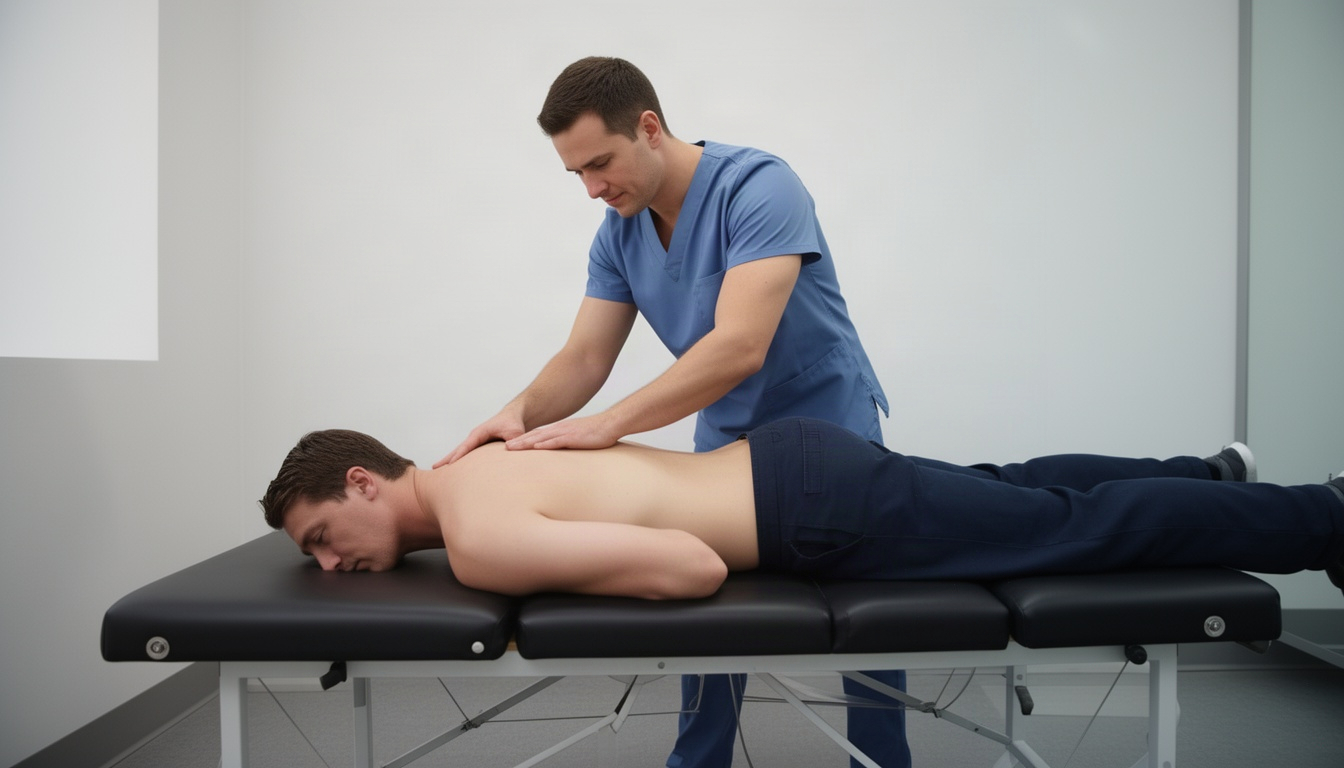
Chiropractic care for arthritis focuses on relieving joint pain and stiffness through hands-on manipulation, mobilization, and soft tissue techniques – rather than medication or surgery. (Nih.gov) Learn more about arthritis chiropractic care in Alpharetta GA. Unlike general chiropractic, which addresses spinal alignment and nerve function, arthritis-specific chiropractic targets the inflammation, reduced mobility, and muscle tension that accompany degenerative joint conditions.
The approach works by reducing pressure on affected joints, improving range of motion, and decreasing muscle guarding around arthritic areas. Research shows that spinal manipulative therapy produces clinically meaningful pain and disability reduction for spinal osteoarthritis, the most common form of arthritis in our community. Here in Alpharetta and surrounding areas like Roswell and Johns Creek, many adults over 45 experience the stiffness and discomfort of osteoarthritis – particularly in the spine, knees, and hips – and chiropractic care offers a non-surgical, drug-free option to manage those symptoms.
During treatment, chiropractors use controlled adjustments, low-force instruments, and therapeutic modalities like ultrasound to address the underlying joint dysfunction. This is different from seeing a rheumatologist (who manages the disease process) or taking NSAIDs long-term (which carry GI and cardiovascular risks, especially for adults over 60). Chiropractic care complements medical management and focuses on functional improvement – helping you move better, reduce pain, and maintain independence.
Key Takeaway: Chiropractic care for arthritis is a hands-on, non-pharmacological approach that reduces joint pain and improves mobility – particularly effective for osteoarthritis of the spine and peripheral joints.
Which Types of Arthritis Does Chiropractic Help Most?
Not all arthritis responds equally to chiropractic care. The distinction matters because treating osteoarthritis (OA) safely differs significantly from managing rheumatoid arthritis (RA) or other inflammatory conditions.
| Arthritis Type | Chiropractic Suitability | Key Consideration |
|---|---|---|
| Osteoarthritis (OA) | Excellent | Degenerative, mechanical; responds well to manipulation and mobility work |
| Rheumatoid Arthritis (RA) | Conditional | Inflammatory/autoimmune; requires physician clearance; avoid high-velocity manipulation during flare-ups |
| Psoriatic Arthritis | Conditional | Inflammatory; similar precautions as RA; low-force techniques preferred |
Osteoarthritis: The Best Candidate
Osteoarthritis is the most common form of arthritis, affecting approximately 53 million people in the United States, with prevalence rising sharply after age 45. In Alpharetta and nearby Roswell, many residents in their 50s, 60s, and 70s experience OA-related stiffness, particularly in the spine, knees, and hips. Osteoarthritis is caused by mechanical wear and tear on your joints over time, and cartilage wears down, joints lose mobility, and surrounding muscles tighten in response.
Chiropractic care directly addresses these mechanical problems. Spinal manipulation reduces pressure on degenerated discs and facet joints. Mobilization techniques restore lost range of motion. Soft tissue work (massage, instrument-assisted techniques) reduces muscle guarding and inflammation. For seniors in our community dealing with bone-on-bone arthritis, low-force methods like the Activator instrument or Cox Flexion-Distraction technique are safer alternatives to high-velocity adjustments, delivering precise corrections without aggressive thrusts.
Rheumatoid and Inflammatory Arthritis: Proceed with Caution
Rheumatoid arthritis is an autoimmune disease where your body's immune system attacks the joint lining, causing inflammation, swelling, and progressive damage. Unlike OA, RA is not mechanical – it's a systemic disease requiring medical management (often with disease-modifying drugs). If you have active inflammation (due to a flare, for example), a fused spine or osteoporosis in the spine or neck, you shouldn't be treated with chiropractic therapy.
If you have RA and are interested in chiropractic care, physician clearance is essential. During remission periods, low-force mobilization and soft tissue work may provide comfort, but manipulation should be avoided. Psoriatic arthritis follows similar precautions. Always inform your chiropractor and rheumatologist about both treatments to ensure safe, coordinated care.
What Happens During a Chiropractic Arthritis Session in Alpharetta?
Understanding what to expect during your first visit reduces anxiety and helps you prepare. A typical chiropractic arthritis session in our Alpharetta area runs 30–60 minutes and follows a structured process.
Initial Assessment and X-Ray Review
Your first appointment begins with a detailed intake: medical history, current symptoms, previous injuries, and lifestyle factors (work, sports, daily activities). The chiropractor performs orthopedic and neurological tests – range-of-motion assessments, strength checks, and palpation of affected joints. Many practices, including those serving Johns Creek and Milton, take X-rays to visualize joint degeneration, disc height, and alignment. This imaging helps the chiropractor identify which joints are most affected and whether bone-on-bone arthritis is present.
The assessment typically takes 20–30 minutes. The chiropractor then explains findings in plain language, discusses realistic outcomes, and outlines a treatment plan with expected session frequency and duration.
Common Techniques Used for Arthritis Patients
Once assessment is complete, treatment begins. For arthritis patients, chiropractors typically use:
- Low-force adjustments (Activator Method, impulse devices): Controlled, instrument-assisted corrections ideal for arthritic joints and older adults, avoiding high-velocity thrusts.
- Spinal mobilization: Gentle, rhythmic movements that restore joint mobility without forceful manipulation.
- Cox Flexion-Distraction: A specialized table technique that reduces intradiscal pressure and is specifically indicated for spinal OA and disc degeneration.
- Soft tissue therapy: Massage, trigger-point release, and instrument-assisted techniques (like Graston) to reduce muscle tension and inflammation around affected joints.
- Therapeutic ultrasound: Sound-wave therapy to reduce inflammation and promote tissue healing.
- Stretching and stabilization exercises: Prescribed movements to maintain mobility and support joint stability between visits.
A typical session includes 15–20 minutes of hands-on treatment, followed by 10–15 minutes of exercise instruction or modality application. The chiropractor may also discuss ergonomics, activity modification, and home care to support healing.
How Many Sessions Does It Take to See Results?
Most Alpharetta patients with osteoarthritis notice measurable improvement within 6–12 sessions over 4–8 weeks. It usually takes between 6 and 12 visits to begin to notice significant relief. For most patients, that means just a few weeks of visits to the doctor. This timeline is supported by systematic reviews of spinal manipulation efficacy and reflects what we see in our community.
Week 1–2: Initial sessions focus on assessment and establishing baseline. You may feel some immediate relief from soft tissue work, but significant improvement typically takes longer.
Week 3–6: By sessions 4–8, many patients report reduced morning stiffness, improved range of motion, and decreased pain during daily activities. Functional gains become noticeable – easier walking, better sleep, less reliance on pain medication.
Week 7–12: Sessions 9–12 often bring sustained improvement. Pain levels stabilize at a lower baseline, and patients regain confidence in movement. Some patients plateau here; others continue gradual gains.
Ongoing maintenance: After initial improvement, many patients transition to maintenance care – 1–2 visits per month – to sustain mobility and prevent symptom flare-ups.
Important limitations: Chiropractic care cannot reverse structural joint damage, regenerate cartilage, or halt rheumatoid arthritis disease progression. If you have bone-on-bone arthritis or severe structural damage, you may be a candidate for orthopedic surgical evaluation. Honest assessment of your imaging and symptoms helps determine whether chiropractic is appropriate or whether co-management with an orthopedist is needed.
Variables affecting your timeline include arthritis severity, age, overall health, lifestyle factors (activity level, stress), and compliance with home exercises. A 58-year-old Alpharetta patient with mild knee osteoarthritis may see results faster than a 72-year-old with severe spinal degeneration.
How Much Does Arthritis Chiropractic Care Cost in Alpharetta?
Cost is a legitimate concern, and transparency matters. Here's what you can expect in our Alpharetta area.
Per-visit costs: A standard chiropractic adjustment (CPT 98940) in Alpharetta-area ZIP codes 30004 and 30005 typically runs $60–$120 for established patients. Initial evaluations with X-rays often cost $150–$250.
Total treatment cost example: A typical 10-session course of care at $75 per visit = $750 out-of-pocket (before insurance). Compare this to a 12-month NSAID prescription, which averages $600–$900 annually – similar cost, but with different risk profiles. NSAIDs carry a 3–5× increased risk of serious GI events and elevated cardiovascular risk in adults over 60, making chiropractic a clinically relevant alternative.
Insurance coverage:
- Medicare Part B: Covers chiropractic spinal manipulation when medically necessary. You pay 20% coinsurance after meeting your Part B deductible (approximately $240 in 2026). Medicare does NOT cover maintenance care, X-rays billed by chiropractors, or massage therapy.
- Private insurance: Most major Georgia plans (BCBSGA, Aetna, Cigna, UnitedHealthcare) cover chiropractic with varying limits – typically 20–30 visits per year, with copays of $30–$60 per visit. Verify your specific plan's coverage and any medical necessity requirements.
- Health Savings Accounts (HSAs): Chiropractic care is an eligible HSA expense, allowing you to pay with pre-tax dollars.
Payment plans: Many Alpharetta chiropractic offices offer payment plans for patients without insurance or with high deductibles. Ask about these options during your consultation.
How to Choose an Arthritis Chiropractor in Alpharetta
Selecting the right provider matters. Here are five key criteria:
1. Experience with arthritis patients: Ask how many arthritis patients the chiropractor treats and what techniques they use. Providers experienced with OA and senior patients understand the nuances of low-force care and realistic outcomes.
2. Georgia licensing: Verify the chiropractor holds a current license from the Georgia Board of Chiropractic Examiners. License status is publicly searchable at sos.ga.gov. All practicing chiropractors in Georgia must pass the National Board of Chiropractic Examiners (NBCE) parts I–IV and a Georgia jurisprudence exam.
3. Technique specialization: Ask which techniques they use – Activator Method, Cox Flexion-Distraction, mobilization, soft tissue work. Providers who offer multiple low-force options are better equipped to customize care for arthritic joints.
4. Patient reviews and referrals: Look for consistent feedback about pain relief, communication, and realistic expectations. Ask your primary care physician or rheumatologist for referrals – many collaborate with chiropractors for co-management.
5. Insurance acceptance: Confirm the office accepts your insurance and can verify benefits before your first visit. This prevents billing surprises.
Questions to ask during a consultation:
- How many arthritis patients do you treat monthly?
- What is your approach to patients with bone-on-bone arthritis?
- Do you require physician clearance for patients with rheumatoid arthritis?
- What is your typical treatment plan length and frequency?
- Do you offer payment plans or accept HSAs?
Red flags to avoid:
- Promises to "cure" arthritis or reverse cartilage damage.
- Pressure to commit to long-term contracts without a trial period.
- Unwillingness to communicate with your physician.
- No clear explanation of findings or treatment plan.
For residents of Alpharetta, Roswell, Johns Creek, and surrounding areas, Northeast Chiropractic Center demonstrates what to look for in a qualified arthritis provider. They offer comprehensive assessments, transparent communication, and a focus on realistic, functional outcomes for patients with joint pain and degenerative conditions.
Frequently Asked Questions About Arthritis Chiropractic in Alpharetta
Is chiropractic care safe for arthritis patients?
Direct Answer: Yes, chiropractic care is safe for most arthritis patients when performed by a licensed provider using appropriate techniques. If you have back or neck pain due to osteoarthritis, chiropractic is one of the safest therapies you can use. However, high-velocity manipulation is contraindicated during active rheumatoid arthritis flare-ups.
For osteoarthritis, low-force techniques (Activator Method, mobilization, soft tissue work) are specifically designed for arthritic joints and older adults. Always inform your chiropractor of your arthritis type and any medications. If you have RA, obtain physician clearance before beginning chiropractic care. Serious adverse events are rare when care is tailored to your condition.
How much does arthritis chiropractic care cost in Alpharetta?
Direct Answer: A standard chiropractic adjustment costs $60–$120 per visit in Alpharetta. Initial evaluations with X-rays run $150–$250. A typical 10-session course costs approximately $750 out-of-pocket before insurance.
Medicare Part B covers spinal manipulation when medically necessary; you pay 20% after your deductible. Most private Georgia insurance plans cover chiropractic with copays of $30–$60 per visit, subject to plan limits and medical necessity criteria. Ask about payment plans if you're uninsured or have a high deductible.
How is chiropractic treatment different from seeing a rheumatologist?
Direct Answer: A rheumatologist manages the disease process – diagnosing arthritis type, prescribing medications to slow progression (especially for RA), and monitoring systemic inflammation. A chiropractor focuses on pain relief, mobility, and function through hands-on techniques.
For osteoarthritis, chiropractic is often a primary treatment. For rheumatoid arthritis, chiropractic complements rheumatology care but does not replace it. Many patients benefit from both: the rheumatologist manages disease; the chiropractor manages symptoms and function. Coordination between providers is ideal.
Can chiropractic care help bone-on-bone arthritis?
Direct Answer: Chiropractic can reduce pain and improve function in bone-on-bone arthritis, but it cannot regenerate cartilage or reverse structural damage. Patients with severe bone-on-bone arthritis may be candidates for orthopedic surgical evaluation (joint replacement, fusion).
A chiropractor can assess your imaging and honestly discuss whether chiropractic is appropriate or whether surgical consultation is warranted. Low-force techniques may provide comfort and mobility gains even in advanced cases, but realistic expectations are essential.
How often should arthritis patients visit a chiropractor?
Direct Answer: Most arthritis patients begin with 2–3 visits per week for 4–8 weeks, then transition to maintenance care of 1–2 visits per month. Frequency depends on arthritis severity, response to treatment, and your goals.
Your chiropractor will recommend a schedule during your initial assessment and adjust it based on progress. Some patients need only occasional maintenance; others benefit from regular visits to prevent flare-ups and maintain mobility.
Does Medicare cover chiropractic care for arthritis in Georgia?
Direct Answer: Yes. Medicare Part B covers chiropractic spinal manipulation when medically necessary. You pay 20% coinsurance after meeting your Part B deductible (approximately $240 in 2026).
Medicare does NOT cover maintenance chiropractic, X-rays billed by chiropractors, or massage therapy. Your chiropractor must document medical necessity for each visit. Ask your provider to verify Medicare coverage before beginning treatment.
What should I bring to my first chiropractic appointment for arthritis?
Direct Answer: Bring your insurance card, photo ID, a list of current medications, and any recent imaging (X-rays, MRI, CT scans) related to your arthritis. If you see a rheumatologist or primary care physician, bring their contact information so your chiropractor can coordinate care.
Wear comfortable, loose-fitting clothing that allows easy movement during assessment and treatment. Arrive 10–15 minutes early to complete intake forms. Write down your main symptoms, when they started, and what activities make them better or worse.
Next Steps: Start Your Arthritis Relief Journey
If you're experiencing arthritis pain in Alpharetta, Roswell, Johns Creek, or nearby areas, chiropractic care offers a proven, non-surgical path to relief and improved mobility. The evidence supports 6–12 sessions over 4–8 weeks for measurable improvement – and costs are comparable to long-term medication management without the associated risks.
Ready to explore chiropractic care for your arthritis? Contact Northeast Chiropractic Center to schedule a consultation. Our team will assess your condition, explain realistic outcomes, and create a personalized treatment plan tailored to your arthritis type and goals. We accept most insurance plans, offer transparent pricing, and focus on helping you regain function and confidence in movement.
Call our Alpharetta team today or visit us online to book your first appointment. Your journey to less pain and better mobility starts here.
Ready to Get Started?
For personalized guidance, visit Northeast Chiropractic Center to learn how we can help.